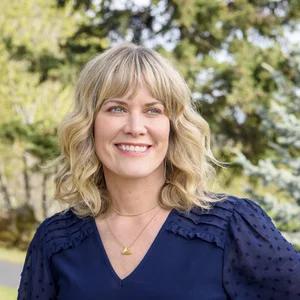
Holistic Health & Sobriety

Health is multidimensional. Each aspect of health—physical, mental, emotional, and spiritual—is interconnected and influences the others in many ways.
Expanding My Coaching Practice
Disclaimer from Tifani: I am not a psychologist, medical doctor, or licensed healthcare professional, and I do not offer any professional health or medical advice. If you are suffering from any psychological or medical conditions, please seek help from a licensed and qualified health professional.
For the past year, I’ve been honored to support people through my addiction recovery and sober living coaching. Together, we’ve built routines, navigated cravings, and rediscovered joy. And again and again, I noticed something important:
When someone stops drinking, a whole new set of questions shows up.
• How do I nourish myself now?
• Why am I exhausted?
• How do I actually feel joy again?
Those weren’t just my clients’ questions. They were mine too.
My Own Health Journey in Sobriety
The year before I got sober, I was diagnosed with insulin resistance and pre-diabetes. My doctor recommended Metformin. I don’t remember receiving much guidance about lifestyle changes or nutrition—maybe just a handout with the food pyramid. It felt like, “Just take this medication.”
When I quit drinking, I also quit trying to control my diet. Sobriety felt like a big enough mountain. I wanted permission to eat whatever I wanted, not have to exercise, relax, watch TV, sleep, and indulge in self‑soothing now that I had taken away the numbing effects of drugs and alcohol. That’s what I did for the first ten months of my sobriety, and I gained weight—eventually reaching my highest weight, about 60 pounds more than I am now. Along the way, I worked on body acceptance and practiced self‑love. I remember looking at myself and thinking, It’s okay—you’re sober. I bought larger clothes and leaned into accepting that this was my new size.
The problem was that I wasn’t feeling well. I had low energy, low mood, and I knew prediabetes could become diabetes. Type 2 diabetes runs in my family, and I knew I needed a change—but I didn’t know what to do. I felt like, over the course of my life, I’d tried so many different things with diet and exercise, and now here I was with this diagnosis.
For most of my life, my idea of health focused on physical health and losing weight. At nine years old, I was drinking SlimFast. In my preteens, it was low‑fat and no‑fat diets. In my teens, it was the high‑fat Atkins diet. In my twenties, I tried Jenny Craig, LA Weight Loss, and the HCG diet. Later, it was the NOOM app and intermittent fasting.
Exercise had always been part of my focus on physical health—working out with my dad in his home gym as a kid, then Jane Fonda tapes, Richard Simmons, Cindy Crawford workouts, Tae Bo, yoga, TRX, Pilates, barre, Physique 57, BeachBody, The Daily Burn, SoulCycle, and Peloton. Physical fitness was always there, but peace with my body wasn’t.
At the end of 2022, someone in an online support group mentioned the medication Mounjaro being a supportive tool for them. At that point, I hadn’t heard of GLP‑1s, tirzepatide, or Mounjaro before. I looked them up, and I was intrigued. Yes, people were using them to treat diabetes and for weight loss, but there was growing evidence of benefits for treating substance use disorder and other addictions like shopping and gambling. I talked to my doctor, was referred to a specialist, and started Mounjaro in November 2022. At the time, there was a coupon online for $25 a month (four doses). Without it, I believe the cost would have been about $400 a month.
I lost weight quickly—but I was very nauseous, extremely tired, and barely eating. I didn’t receive guidance about nutrition or strength training, and I lost muscle along with weight.
When I had lost over 70 pounds and it was clear I needed to stop losing weight, the specialist said something like, “I’m not sure what the protocol is for going off this, but we could try another appetite‑control pill.” I realized I needed a better plan than what she could offer.
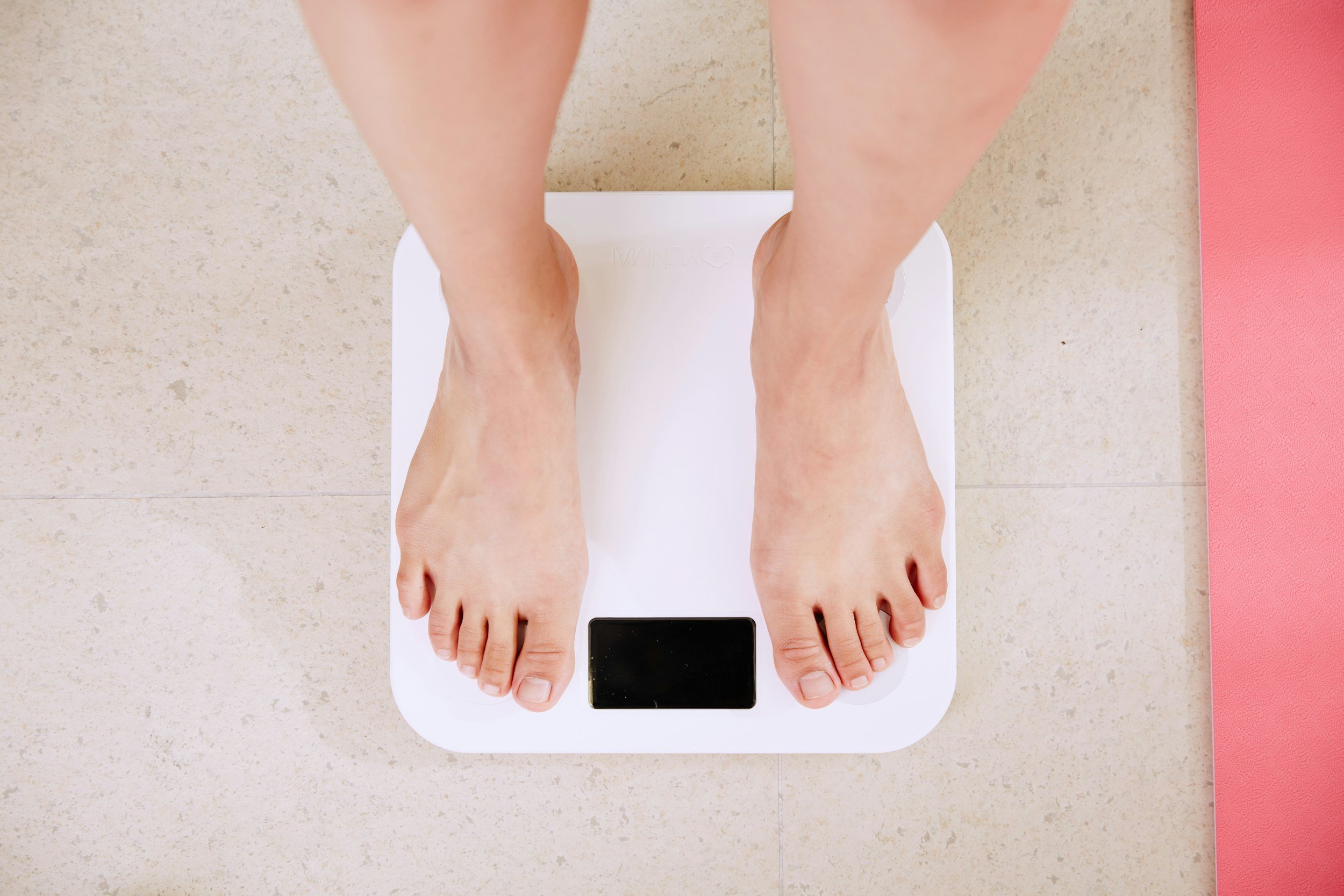
I was sober, but my mindset wasn’t healthy. Old programming—where losing weight was the main objective—overrode the negative side effects, and I didn’t have a support system in place to process it.
Functional Medicine
I began working with a functional medicine clinic. A practitioner there had me wear a glucose monitor, ordered labs and a dried urine test, and slowly I stopped using Metformin and Mounjaro. Later, she also supported me going off a low dose of the SSRI Celexa that I had originally used seasonally for Seasonal Affective Disorder but had been taking year‑round.
We also focused on supplements and restoring my gut microbiome. I got my energy back and started lifting weights. At each visit, I checked in with a body composition scale called InBody, which uses a gentle bioelectrical impedance test to estimate muscle mass, body fat percentage, body water, and overall body composition.
There were many positives to working with a functional medicine practitioner, and I was getting stronger—but I still wanted support with the food noise and cravings that Mounjaro had helped quiet.
I had been reading about the benefits of using GLP‑1s in micro‑ or low‑dose levels. I brought this up to my functional medicine practitioner, but she wasn’t open to trying it. It felt like my time with that clinic was ending. There was a monthly membership fee at the clinic—over $100. With my high‑deductible insurance, I'd spent thousands on labs, supplements, membership fees, and testing. It was worth it—I learned a lot, made progress in the direction I wanted to go—but I was ready for a change.
Each person has unique needs and these needs can change over the course of a lifetime.
In July 2024, at a boutique aesthetic and wellness medical spa, I began using a low‑dose GLP‑1 (tirzepatide) from a compounding pharmacy. Initial labs were ordered, goals were discussed, and I was given macro targets and nutrition guidance to follow. I have monthly check‑ins to monitor my progress and overall well‑being. It’s been a good fit for me.
Last October, I hired Kiola Raines as my personal trainer and nutrition coach. She lives in Los Angeles, and we work together virtually. I lift heavy weights four times a week—twice with a group of women at different life stages and twice on my own. I track macros and micros and eat enough protein to focus on building muscle. We meet weekly for coaching calls—sometimes I’m at the gym and she’s watching me from my laptop to refine my technique; other calls focus on holistic coaching around mental and emotional wellness. I continue to use a body composition scale monthly.
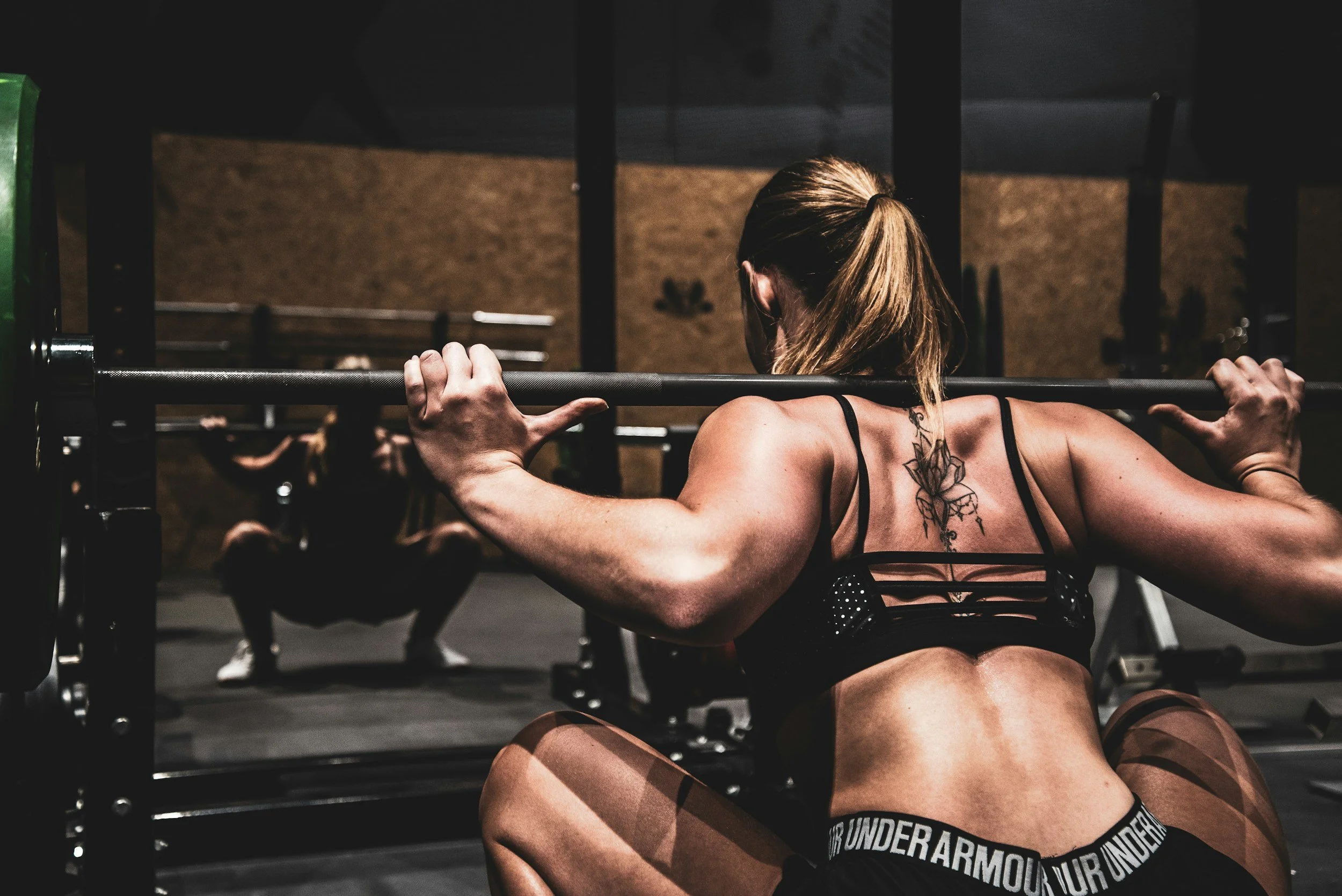
The goal is to feel strong, capable, to live a joyful life and keep doing the things I love as I age.
What This Taught Me as a Coach
When alcohol is removed, we finally have a greater awareness to care for sleep, nourishment, movement, hormones, stress, and emotional regulation. But we don’t always know where to start—and we shouldn’t have to figure it out alone.
So I enrolled at the Institute for Integrative Nutrition and am currently working toward certification as an Integrative Nutrition Health Coach.
True transformation often requires a shift in perspective. As experts in guiding change, Health Coaches provide that shift and help bridge the gap between where a client currently is and where they want to be.
Health Coaches partner with clients to help them find their own solutions and empower them to create lasting, meaningful change. They can also work alongside other wellness professionals, providing further support to clients. In this way, Health Coaches reshape not only how their clients approach health, but how healthcare works.
I realized I wanted to support my clients in a deeper, more integrated way.
What This Means for My Coaching
I’m expanding into Holistic Health & Sober Living Coaching—supporting the whole person, not just one habit.
My coaching will still begin with my three‑session kickoff:
Discovery – understanding where you are
Visioning – imagining what’s possible
Goal Setting – creating a path forward
From there, we can explore:
• Nutrition and sustainable habits
• Nervous system support
• Multidimensional health mindset
• Energy and sleep rhythms
• Emotional resilience
• Living a sober life that actually feels good
No extremes. No shame. No perfection.
Just steady, compassionate change.
An Invitation
If you’re exploring this next chapter—whether you’re sober curious, newly sober, or years into recovery and ready to feel healthy in your mind, body, and spirit—I’d love to connect.
You can book a consultation call, follow along here on the blog, or join one of my upcoming workshops (stay tuned for: Your Sober Summer workshop).
Wherever you are on your path, remember:
You can always begin again.
Thank you for reading this. I hope you'll come back. I'll be over here.